

Welcome to Active Life Tribe – your ultimate guide to a vibrant, healthy lifestyle! Here, we believe that staying active is not just a routine; it’s a joyful journey. Whether you’re a fitness enthusiast, a busy professional seeking wellness tips, or someone exploring new ways to stay fit, you’ve come to the right place.
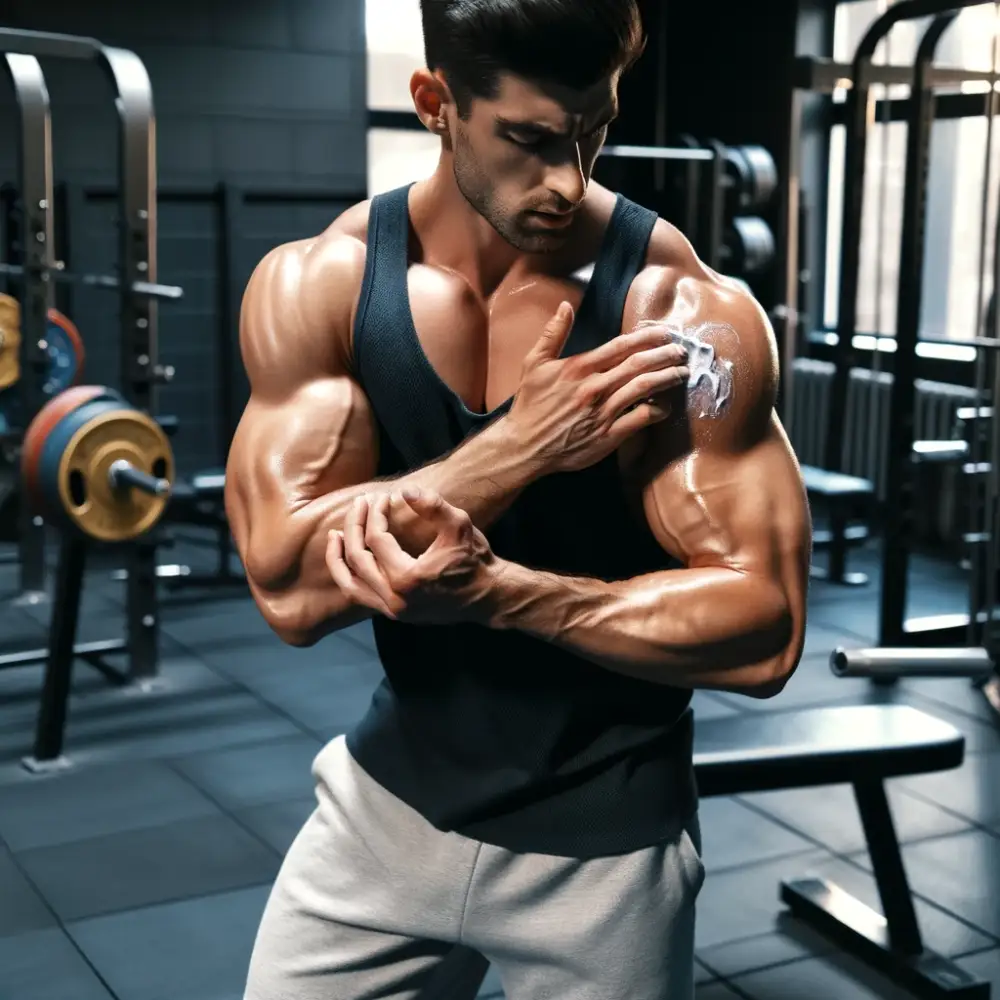
At Active Life Tribe, we offer a plethora of insights, from practical exercise guides to nutritious meal plans. Our expertly crafted content and hands-on tips are designed to motivate and educate, helping you embrace an active and fulfilling life. Dive into our world of wellness and discover the perfect balance of fitness, nutrition, and mental well-being tailored just for you!
- Why Recovery Should Be Part of Every Active Lifestyle
 When people decide to become more active, they usually focus on one thing: doing more. More workouts. More walking. More time at the gym. More challenging exercises. But there’s another side of an active lifestyle that doesn’t always get the same attention. Recovery. Whether you’re lifting weights, hiking on the weekends, running several times a week, or simply trying to become more active as you get older, giving your body time to recover can be just as important as the activity itself. The good news is that recovery doesn’t have to involve expensive equipment or an elaborate collection of products. In many cases, the best approach is simply developing a few habits you can consistently maintain.
Exercise Is Only Part of the Equation
It’s easy to think that progress happens entirely during a workout. In reality, physical activity places temporary stress on muscles and other tissues. The body then needs adequate nutrition, hydration, sleep, and rest as part of the normal recovery process. This is one reason constantly pushing harder isn’t always the best strategy. A sustainable fitness routine needs balance. That might mean alternating demanding workouts with easier days, taking a walk instead of another intense training session, or occasionally taking a complete day off. Rest isn’t the opposite of being active. It’s part of staying active consistently.Start With Sleep
Before buying another recovery product, look at your sleep. Sleep is one of the most fundamental parts of physical recovery, yet it’s often the first thing sacrificed when life gets busy. Someone might carefully plan five workouts each week while regularly getting only five or six hours of sleep. That’s not much of a recovery strategy. Try maintaining a reasonably consistent sleep schedule and give yourself enough time to actually rest. The exact amount of sleep needed varies from person to person, but consistently waking up exhausted is usually a sign that something in the routine needs attention.Hydration Matters More Than People Realize
Hydration is another basic part of an active lifestyle that can easily be overlooked. When you’re exercising, particularly in hot weather, your body’s fluid needs can increase substantially. Don’t wait until you’re extremely thirsty to start thinking about water. Keeping a water bottle nearby throughout the day is one of the easiest habits to develop. If you’re exercising for extended periods or sweating heavily, you may also need to think about replacing electrolytes. Like most aspects of wellness, consistency usually matters more than occasionally doing something perfectly.Give Your Body Some Easy Movement
Recovery doesn’t necessarily mean spending the entire day on the couch. Light movement can be a comfortable way to transition between harder training sessions. Depending on your fitness level, that might include: Walking Gentle stretching Easy cycling Mobility exercises Swimming Yoga The important word is “easy.” A recovery day shouldn’t accidentally turn into another difficult workout. The goal is simply to keep moving without placing the same demands on your body that you would during your normal training sessions.Keep Your Recovery Routine Simple
The wellness industry has created an enormous number of recovery products. Some people enjoy experimenting with them, and there’s nothing inherently wrong with that. But you don’t need a dozen different products to develop a useful post-workout routine. For many people, simplicity makes consistency easier. That could mean finishing a workout, drinking some water, eating a balanced meal, stretching for a few minutes, taking a shower, and using whatever personal-care products they already enjoy. Topical products have also become part of many people’s wellness routines. CBD creams, balms, oils, and salves are among the options consumers now encounter when exploring hemp-derived products. For anyone curious about that approach, this overview of CBD salve and simple wellness routines provides additional perspective on incorporating a topical product without turning wellness into an overly complicated process. That’s really the larger lesson. A routine you actually follow is more useful than an elaborate routine you abandon after two weeks.Nutrition Supports an Active Lifestyle
Exercise and nutrition don’t need to become complicated either. People often become so focused on supplements and specialized fitness foods that they overlook the fundamentals. Protein supports muscle maintenance and repair. Carbohydrates provide an important source of energy, particularly for active people. Fruits and vegetables provide vitamins, minerals, fiber, and other nutrients. Your individual needs will depend on your activity level, goals, age, and overall health. But for the average recreationally active person, building meals around nutritious whole foods is a reasonable place to start.Learn the Difference Between Effort and Overdoing It
Being slightly tired after a challenging workout isn’t unusual. Feeling completely destroyed after every workout shouldn’t necessarily be the goal. One of the skills people develop after exercising consistently is learning how their body responds to different levels of activity. Some days you may feel great and want to push yourself. Other days, backing off may be the smarter decision. Pay attention to persistent discomfort, unusual fatigue, or changes in your ability to perform activities that are normally comfortable for you. And remember that persistent or significant pain shouldn’t simply be covered up with a wellness product. That’s something worth discussing with an appropriate healthcare professional.Consistency Beats Intensity
One of the biggest misconceptions about fitness is that every workout needs to be difficult. It doesn’t. Someone who exercises moderately and consistently for several years is likely building a much more sustainable lifestyle than someone who follows an extreme program for three weeks and then quits. Think long term. Instead of asking, “How hard can I train today?” it can sometimes be more useful to ask, “What can I realistically continue doing six months from now?” That change in perspective can influence everything from the exercises you choose to how much recovery time you allow yourself.Recovery Becomes More Important as Life Changes
Our relationship with exercise changes throughout our lives. The workout routine that worked perfectly at 25 may not be the routine you want at 45, 55, or 65. That’s normal. Staying active isn’t about competing with a younger version of yourself. It’s about finding activities you enjoy and can continue doing while adapting to changes in your body, schedule, responsibilities, and priorities. For some people, that means replacing high-impact activities with walking, cycling, swimming, or resistance training. For others, it simply means allowing more recovery time between difficult workouts. Adaptation isn’t failure. It’s part of maintaining an active lifestyle for the long term.Build a Routine You Actually Enjoy
Fitness shouldn’t feel like punishment.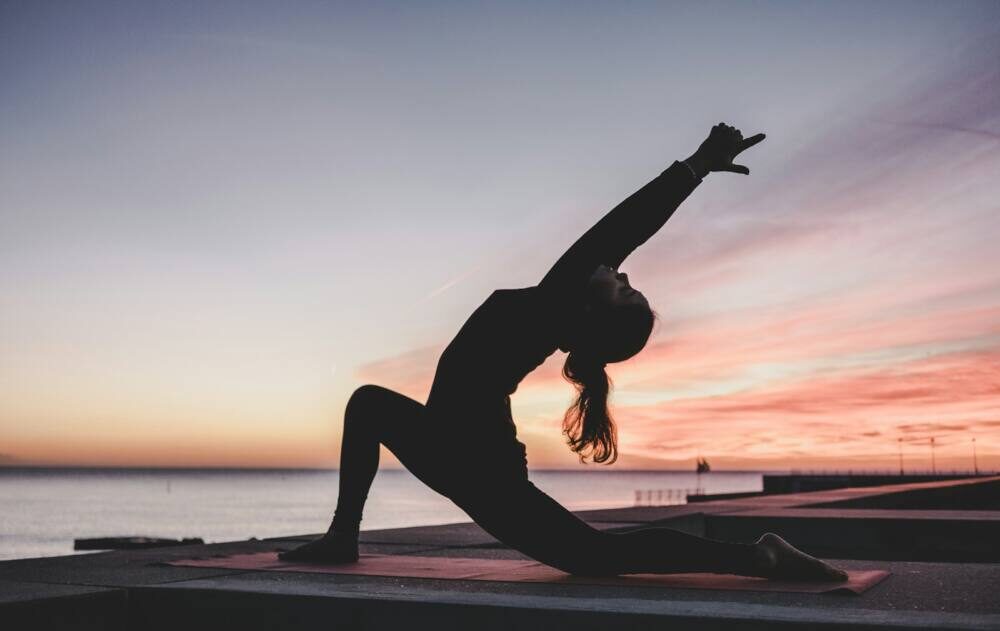 Find activities you genuinely enjoy.
Walk somewhere beautiful. Lift weights with a friend. Try a new hiking trail. Take a dance class. Ride a bicycle. Swim. Practice yoga. Play a sport you haven’t played since you were younger.
Then give yourself enough time to recover so you’re looking forward to doing it again.
That’s ultimately what an active lifestyle should be about.
You don’t need to train like a professional athlete or follow every new wellness trend.
Move regularly. Eat well. Stay hydrated. Get enough sleep. Give your body time to recover.
Keep doing those things consistently, and you’ve already built a strong foundation for an active life.
- A Healthier Tomorrow Starts Today: Why Preventive Health Is Transforming Modern Wellness
Healthcare is evolving. While treating illness remains an essential part of medicine, there is growing recognition that many health problems can be reduced—or even prevented—through proactive lifestyle choices and early medical intervention. This shift toward preventive health is changing how individuals, families, and healthcare providers approach long-term well-being.
Instead of waiting for symptoms to appear, preventive health encourages people to make informed decisions that support their physical, mental, and emotional wellness every day.
The Shift from Reactive to Proactive Care
For many years, healthcare has largely centered on diagnosing and treating disease after it develops. Today, physicians are placing greater emphasis on prevention because early action often leads to better outcomes and improved quality of life.
Preventive healthcare includes routine physical exams, recommended screenings, vaccinations, healthy nutrition, regular exercise, stress management, and maintaining healthy sleep habits. Together, these practices help identify risk factors early while reducing the likelihood of developing chronic conditions.
This growing philosophy is reflected in Why More Doctors Are Encouraging Patients to Focus on Prevention Rather Than Treatment Alone, which discusses why many healthcare professionals are encouraging patients to become active participants in protecting their long-term health rather than relying solely on treatment after illness develops.
Personalized Wellness Is Changing Healthcare
One of the most significant developments in modern health is the move toward personalized wellness. Advances in technology now allow people to better understand how their individual lifestyle choices affect their health.
Fitness trackers, wearable devices, nutrition apps, sleep monitoring, and preventive laboratory testing provide valuable information that can help people make healthier decisions based on their own needs rather than general recommendations.
As highlighted in MSN’s article, The Rise of Personalized Wellness: What’s Driving the Biggest Health Shift of the Decade, consumers are increasingly looking for customized approaches that consider genetics, lifestyle, activity levels, and personal health goals instead of one-size-fits-all solutions.
This individualized approach allows healthcare to become more proactive, empowering people to take greater control over their long-term wellness.
Health Begins with Everyday Habits
Many chronic illnesses develop gradually over several years. The encouraging news is that many of the contributing factors are influenced by daily habits.
Physical Activity
Regular movement helps strengthen the cardiovascular system, maintain healthy muscles and bones, improve flexibility, reduce stress, and support healthy body weight.
Whether it’s walking after dinner, strength training twice a week, cycling, swimming, or gardening, consistent activity contributes significantly to long-term health.
Nutritious Eating
A balanced diet rich in fruits, vegetables, lean proteins, whole grains, healthy fats, and fiber provides the nutrients necessary for proper body function.
Rather than focusing on restrictive diets, many healthcare professionals now encourage sustainable eating patterns that people can maintain throughout their lives.
Restorative Sleep
Quality sleep allows the body to recover, regulate hormones, strengthen the immune system, and support memory and concentration.
Consistently getting adequate sleep has been associated with better metabolic health, improved mood, and reduced risk for numerous chronic diseases.
Managing Stress
Mental wellness is closely connected to physical health. Chronic stress can contribute to elevated blood pressure, sleep disturbances, digestive issues, and weakened immune function.
Mindfulness, meditation, spending time outdoors, hobbies, regular exercise, and maintaining meaningful relationships all help support emotional resilience.
Healthy Families Build Healthy Communities
Preventive health doesn’t only benefit individuals—it often creates positive ripple effects throughout families.
Children frequently learn healthy behaviors by observing the adults around them. Parents who prioritize balanced nutrition, regular exercise, emotional wellness, and preventive healthcare often create home environments where healthy habits become a normal part of daily life.
The connection between caregiver wellness and childhood development is explored in The Impact of Parental Wellness on Childhood Development and Emotional Health, which explains how parental physical and emotional well-being can influence children’s emotional security, resilience, and overall development.
Healthy families often begin with healthy role models.
The Importance of Regular Preventive Care
Even individuals who feel healthy benefit from routine medical care.
Annual wellness visits provide opportunities to:
- Monitor blood pressure
- Check cholesterol levels
- Screen for diabetes
- Evaluate heart health
- Discuss nutrition and exercise
- Update vaccinations
- Identify health risks based on family history
- Address mental and emotional health concerns
Many serious conditions develop silently over time. Detecting problems early often allows for simpler, more effective treatment while reducing the likelihood of complications.
Prevention Supports Healthy Aging
As life expectancy continues to increase, many people are focusing not only on living longer but also on maintaining independence and quality of life.
Preventive health supports healthy aging by encouraging:
- Regular physical activity
- Strength and balance training
- Brain-stimulating activities
- Social engagement
- Healthy nutrition
- Preventive screenings
- Management of chronic conditions before they progress
The goal is not simply to add years to life, but to add life to those years.
Small Changes Can Produce Big Results
Many people believe improving their health requires dramatic lifestyle changes. In reality, lasting progress usually comes from small, consistent improvements.
Examples include:
- Walking 30 minutes most days of the week.
- Drinking more water throughout the day.
- Choosing whole foods more often.
- Limiting highly processed foods.
- Creating a regular sleep schedule.
- Scheduling annual preventive checkups.
- Taking short breaks to stretch during the workday.
Over time, these habits can significantly improve overall wellness while reducing health risks.
Looking Ahead
Healthcare continues to move toward a more preventive and personalized model. Rather than simply responding to illness, patients and healthcare providers are increasingly working together to build healthier lifestyles that support long-term well-being.
By combining healthy daily habits with regular preventive care, individuals can take meaningful steps toward improving both their current quality of life and their future health.
References
- The Impact of Parental Wellness on Childhood Development and Emotional Health – American SPCC: https://americanspcc.org/the-impact-of-parental-wellness-on-childhood-development-and-emotional-health/
- The Rise of Personalized Wellness: What’s Driving the Biggest Health Shift of the Decade – MSN: https://www.msn.com/en-us/news/other/the-rise-of-personalized-wellness-whats-driving-the-biggest-health-shift-of-the-decade/ar-AA25kBAc
- Why More Doctors Are Encouraging Patients to Focus on Prevention Rather Than Treatment Alone – FindATopDoc: https://www.findatopdoc.com/Expert/85023400-Neha-Gurvinder/Why-More-Doctors-Are-Encouraging-Patients-to-Focus-on-Prevention-Rather-Than-Treatment-Alone
- How Holistic Healing Can Support Your Health and Fitness Journey

True wellness is more than strong muscles or clean eating — it’s about creating balance between body, mind, and spirit. That’s where holistic healing comes in. It looks beyond surface symptoms to address the deeper energetic and emotional roots that affect your physical health and overall fitness goals.
Modern life can push us into stress, overtraining, and burnout. Holistic practices like Reiki, sound healing, and energy balancing help calm the nervous system and restore inner harmony. When your energy flows freely, your body naturally performs better — recovery improves, sleep deepens, and your motivation feels renewed.
Even your workouts can feel different. By integrating mindful awareness and breathwork, you connect more fully to your body’s rhythm. You move with purpose instead of pressure. Many athletes and active individuals now use energy work as part of their recovery routine to prevent fatigue and emotional stagnation.
Holistic healing also supports your mental and emotional resilience — the hidden key to consistency in any health plan. When your mind is centered and your energy balanced, you’re less likely to fall into patterns of self-criticism, overexertion, or neglect.
At TatianatheSugarMama.com, each session and creation — from crystal-infused sugar scrubs to energy-cleansing rituals — is designed to help you feel grounded, refreshed, and reconnected to your body’s natural strength. It’s not about chasing perfection; it’s about nurturing a state of flow where health and happiness work together.
When you care for your energy, your body follows. Holistic healing is the missing piece that turns fitness into a full-body, full-spirit experience.
- Athlete Recovery Redefined: The Power of Mobile Massage Therapy

Whether you’re a weekend warrior, a dedicated runner, or a competitive athlete, your body is your most valuable equipment. Training hard means pushing limits — but recovery is where the real progress happens. Today’s athletes are discovering a smarter way to recharge, heal, and stay in top condition: mobile wellness massage.
In Southern California, one name stands out for bringing world-class recovery treatments directly to your door — MobileWellSpaMassage.com.
The Missing Link in Athletic Performance
It’s no secret that recovery separates great athletes from good ones. Without proper rest and muscle care, even the most disciplined training programs can lead to burnout, tightness, and injury. Massage therapy helps bridge that gap by improving circulation, reducing lactic acid buildup, and enhancing flexibility — but the modern challenge is time.
That’s where mobile massage services are changing the game. Instead of fighting traffic after the gym or waiting for an appointment at a spa, athletes can now get professional-grade recovery at home, on their schedule.
Professional Recovery, Delivered
Mobile Well Spa Massage offers a luxury experience crafted for high-performance bodies. Their Sports Recovery Massage combines targeted deep tissue work, stretching techniques, and precision pressure to relieve muscle fatigue and accelerate healing.
For athletes recovering from long runs, intense lifts, or game-day strain, this type of massage can:
-
Enhance mobility and joint range of motion
-
Reduce inflammation and muscle soreness
-
Boost recovery time between training sessions
-
Support better sleep and stress regulation
And because the service is mobile, recovery happens in your most comfortable space — your home, your hotel, or your training facility.
Elevating Wellness with CBD Integration
For athletes seeking next-level recovery, MobileWellSpaMassage.com also offers CBD-Infused Massage Therapy.
CBD (cannabidiol) has become a go-to recovery tool for professionals and everyday fitness enthusiasts alike, known for its anti-inflammatory and muscle-calming properties. When paired with expert massage techniques, it provides deep relief while promoting relaxation and body balance.
Why Top Performers Choose Mobile Wellness
Elite recovery is no longer about luxury — it’s about results. Mobile massage therapy fits seamlessly into an athlete’s lifestyle, allowing them to manage soreness, prevent injuries, and maintain consistent performance without the stress of scheduling or travel.
It’s a modern approach to wellness that merges convenience with precision care, helping athletes stay strong, focused, and ready for what’s next.
Recover Smarter in Lynwood and Beyond
If you’re serious about performance and value your time, it’s time to elevate your recovery routine.
Book a private, on-demand session with MobileWellSpaMassage.com and experience how professional-grade massage can transform your recovery, focus, and long-term results.Because in the world of athletics, how you recover determines how you perform.
-
- Landing a Lifeguard Job on a Yacht: Fitness, Skills, and Insider Tips

Working as a lifeguard on a private yacht might sound like a dream—sun-soaked days, turquoise waters, and a generous paycheck. But it’s more than just watching waves. To score this gig, you need strong fitness, specialized training, and a professional approach. Here’s how to turn that vision into a real job.
Why Yachts Need Lifeguards
Luxury yachts increasingly hire dedicated lifeguards to protect guests who swim, snorkel, or play with jet skis and water toys. Owners want a safety expert onboard who can:
-
Respond to emergencies fast
-
Oversee water activities
-
Teach or guide guests in safe swimming, diving, or snorkeling
-
Provide basic first aid and CPR if something goes wrong
Because these vessels often travel far from shore, a lifeguard’s presence can be the difference between a fun trip and a tragedy.
Physical Fitness: Your Key Selling Point
Yacht captains expect lifeguards to be in excellent shape—strong swimmers with endurance, agility, and stamina. Here’s what to focus on:
-
Swim Endurance: Train for long-distance swims and practice ocean rescue drills.
-
Core Strength & Mobility: Essential for pulling someone onto a dinghy or swim platform.
-
Cardio & Recovery: You may be on duty for hours, so consistent cardiovascular training is a must.
-
Daily Discipline: Think of your fitness as part of the job contract. Yoga, stretching, and injury prevention matter just as much as strength training.
Pro tip: keep a fitness log or digital portfolio. Captains and yacht agencies love documented proof of your conditioning.
Certifications That Make You Stand Out
Beyond basic lifeguard training, most yachts require or prefer these certifications:
-
STCW (Standards of Training, Certification and Watchkeeping): The international safety standard for all crew members.
-
CPR/AED & First Aid: Often required at a professional level.
-
Open Water Rescue or Surf Lifesaving: A plus for vessels cruising in rougher seas.
-
PADI or Dive Master: Not mandatory but a major advantage if guests scuba dive.
Update these credentials regularly—agencies and captains check expiration dates. How to get your first job.
Finding the Right Yacht Jobs
Start with reputable yacht-crew placement agencies and job boards such as:
-
Superyacht-specific sites (Yotspot, Crewseekers, Luxury Yacht Group)
-
Specialized maritime recruiters
-
Word of mouth from marinas and yacht shows
Prepare a clean, professional CV that highlights water-rescue skills, fitness training, and any hospitality experience.
Life Onboard: More Than Just Rescue
Being a yacht lifeguard isn’t just scanning the horizon. Expect to:
-
Assist with deck duties like lines, fenders, or guest setup
-
Help launch jet skis or kayaks
-
Brief guests on safety rules and equipment
-
Keep gear organized and maintained
The best crew members are team players who pitch in beyond their core role.
Final Word
If you love the ocean and thrive on staying fit, lifeguarding on a yacht blends adventure, responsibility, and travel in one career. Get the right certifications, train hard, and network in the yachting community. You’ll be ready when that dream job drops anchor.
-
- Cutting Through the Noise: How Fitness Brands Win with Short, Powerful Messaging

Quick Take
Your audience is scrolling between gym selfies, meal-prep reels, and workout memes at lightning speed. With thousands of ads hitting them every day, the brands that grow aren’t the loudest—they’re the clearest. The future of fitness marketing is short, strong, and laser-focused.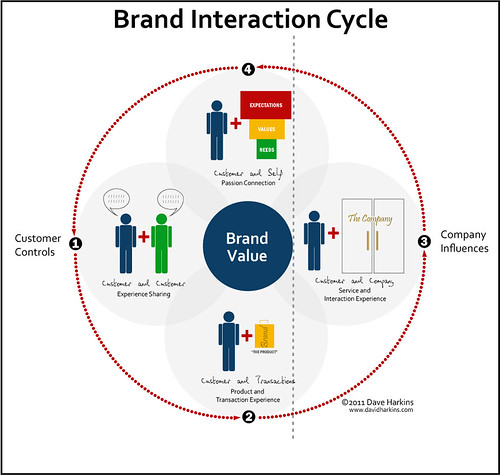
1. Define One Core Promise
Before you post a single reel or ad, decide on the single takeaway people must remember.
-
One line only. Example: “30-minute workouts that burn fat—no excuses.”
-
Make it the heartbeat of every touchpoint: Instagram bio, website header, email subject lines, even podcast intros.
-
Stress-test it: if a fan can’t repeat it after one read or listen, it’s too complicated.
2. Speak in Action, Not Description
Fitness is about movement and results—your words should be, too.
-
Use active verbs: lift, shred, recover, recharge.
-
Replace long benefits with tight calls to action: “Train smarter. Recover faster.”
-
Keep social captions under 10 words when possible; lead with the benefit first, then add context below the fold.
3. Design for the Scroll
The next generation consumes fitness content on phones first.
-
Hook in 3 seconds with bold text overlays or motion.
-
Use square or vertical formats and legible typography.
-
Pair micro-videos (5–10 seconds) with looping music to keep people watching—and algorithm-friendly.
4. Build Micro-Stories
Short doesn’t mean shallow. Give your brand depth through bite-sized narratives.
-
Show a client’s 30-second transformation snippet each week.
-
Share “one tip, one win” reels (e.g., one mobility drill that fixed back pain).
-
Stack these mini stories into a bigger journey across your feed.
5. Own Your Community
Algorithms change; relationships last.
-
Run private challenges on WhatsApp, Discord, or a members-only app with daily one-liners and quick wins.
-
Reward engagement with personal shoutouts or weekly recap reels.
-
Let your audience help create the message—user-generated content is a built-in testimonial.
6. Measure and Adjust Fast
Track what people actually click, share, and save.
-
Test headlines with A/B tools (e.g., “Build Strength in 20 Minutes” vs. “20-Minute Power Burn”).
-
Double down on the winners; cut what doesn’t resonate.
-
Revisit analytics weekly, not quarterly—the digital fitness landscape moves fast.
Bottom Line
Fitness audiences don’t want paragraphs; they want a punch. Companies like 299 Words are delivering this type of marketing. By defining one bold promise, speaking in action verbs, designing for mobile, telling micro-stories, nurturing a direct community, and adjusting quickly, your brand can break through the constant stream of ads and connect with the next generation of athletes and everyday movers.
-
- The Colorful History of Cosplay: From Fit Muscled Costumed Fans to Global Culture
Cosplay—short for “costume play”—is more than just dressing up. It’s an expressive blend of fashion, performance, and fandom that has grown into a worldwide phenomenon. From its early beginnings in science fiction conventions to the massive cosplay competitions of today, the history of cosplay is as vibrant as the costumes themselves.

Early Origins: Masquerades and Sci-Fi Fandom
The roots of cosplay trace back long before the word existed. Masquerade balls in Europe during the 15th and 16th centuries allowed people to dress as mythological figures, royalty, and characters from stories. Fast-forward to the 20th century, and fans of pulp magazines, comic strips, and early science fiction were already experimenting with costumes.
In 1939, Forrest J. Ackerman—often called the “Father of Science Fiction Fandom”—attended the first-ever World Science Fiction Convention (Worldcon) in New York City wearing a futuristic “fandom costume.” His outfit is widely considered the first instance of modern fan cosplay at a convention, sparking a tradition that would continue to grow.
The Rise of Anime and Manga Influence
While early cosplay was rooted in Western science fiction and comics, the late 20th century brought another wave of influence: Japanese anime and manga. The term “cosplay” itself was coined in Japan in 1984 by Nobuyuki Takahashi, a Japanese reporter who observed American fans in elaborate costumes at the Los Angeles Worldcon. Instead of using “costume play,” he shortened it to “cosplay,” and the term caught on quickly in Japan.
In Japan, cosplay became inseparable from the culture of anime conventions, particularly Comic Market (Comiket) in Tokyo. Young fans dressed as their favorite anime, manga, and video game characters, turning conventions into showcases of creativity. The trend then boomeranged back to the West, where anime fandom was exploding in the 1990s.
Mainstream Explosion
By the 2000s, cosplay had gone global. Conventions like San Diego Comic-Con, Dragon Con in Atlanta, and Anime Expo in Los Angeles became pilgrimage sites for cosplayers. The internet—especially platforms like DeviantArt, Tumblr, and later Instagram and TikTok—allowed fans to share their costumes and tutorials worldwide. Cosplay began to shift from a niche hobby to a mainstream cultural movement.
Professional cosplayers emerged, making careers out of crafting elaborate costumes, attending conventions as guests, and building large online followings. Competitions such as the World Cosplay Summit in Japan elevated the craft, emphasizing performance, craftsmanship, and stage presence.
More Than Costumes: Identity and Expression
Cosplay isn’t just about replicating a character—it’s also a form of self-expression. For many, cosplay is a way to explore identity, creativity, and community. Some fans take pride in screen-accurate replicas, while others add personal twists or gender-bend their favorite characters. It can be empowering, liberating, and deeply artistic.
Cosplay also reflects broader cultural shifts. Increasing acceptance of “geek culture” in mainstream media has normalized cosplay. Characters from Marvel, DC, and Star Wars are now just as common as anime heroes at conventions. Social media has amplified representation, showcasing cosplayers of all genders, body types, and backgrounds.
The Future of Cosplay
Today, cosplay continues to grow as a global art form. From handmade armor to 3D-printed props, from small local gatherings to international contests, cosplay blends creativity, fandom, and performance in ways few hobbies can match. It’s not just dressing up—it’s storytelling, community, and culture rolled into one.
Cosplay has traveled from the fringes of fan conventions to center stage in global pop culture, and its history is still being written by every fan who puts on a costume and brings a character to life.
- Balancing Health and Success in High School Mock Trials

Mock trials challenge high school students to think like lawyers, act like professionals, and perform under pressure. While these programs — supported by Non-Profit organizations — prepare future leaders, they can also bring long hours, late nights, and high stress. That’s why focusing on health and wellness is just as important as preparing opening statements and cross-examinations.

The Hidden Demands of Mock Trials
Preparing for a mock trial isn’t just about reading case law. Students often juggle:-
After-school practices that run for hours.
-
Memorizing witness roles and arguments late into the night.
-
Balancing schoolwork, sports, and family life with competition schedules.
This workload can lead to fatigue, anxiety, and burnout if students don’t also prioritize their physical and mental health.
Healthy Habits for Student Lawyers
-
Sleep Is Non-Negotiable
Adequate rest helps with memory retention, focus, and composure in the courtroom. Even the strongest arguments can fall flat if the speaker is running on too little sleep. -
Nutrition Fuels Performance
Mock trial days can be long. Packing healthy snacks and staying hydrated gives students sustained energy for sharp thinking and persuasive speaking. -
Movement Matters
Hours of sitting in practice or competition can wear students down. Taking short breaks to stretch or walk helps manage stress and keep energy levels steady. -
Stress-Relief Tools
Simple practices like breathing exercises, mindfulness apps, or journaling can help students regulate nerves before stepping into the “courtroom.”
The Role of Caregivers and Coaches
Parents, guardians, and coaches are vital in reinforcing healthy routines. Providing meals, encouraging rest, and modeling balance remind students that well-being is part of preparation. A strong support network ensures that students thrive both inside and outside the courtroom.Building Healthy Habits for Life
The lessons of wellness carry far beyond high school. Students who learn to balance health with ambition gain a foundation for future law school, careers, and leadership roles. They’ll know that success isn’t about burning out — it’s about showing up at their best.
Conclusion
Mock trials shape the next generation of civic leaders, but health is the anchor that keeps them strong. By combining legal training with healthy routines, students don’t just become better competitors — they become resilient, well-rounded citizens prepared to lead their communities. -
- Mindfulness in Health and Fitness: Training the Body and the Mind

Health and fitness are often seen as purely physical — lifting weights, running miles, or counting calories. But true well-being is more than numbers on a scale. By integrating mindfulness into health and fitness, we train not just the body, but the mind and spirit. This article explores how mindful awareness can transform exercise, nutrition, and overall wellness into a path of balance.
The Missing Link in Modern Fitness
Many people approach fitness with intensity: chasing goals, pushing limits, and treating the body like a machine. While discipline is valuable, without mindfulness, exercise can become another form of stress.
Mindfulness brings a different perspective: listening to the body instead of battling it. By being fully present, we turn fitness into a practice of care, not punishment.
As Thích Nhất Hạnh reminded us: “Keeping your body healthy is an expression of gratitude to the whole cosmos.”
Mindful Movement
Every workout can be a meditation when approached with awareness.
-
Yoga and Tai Chi are obvious examples, where breath and movement are intertwined.
-
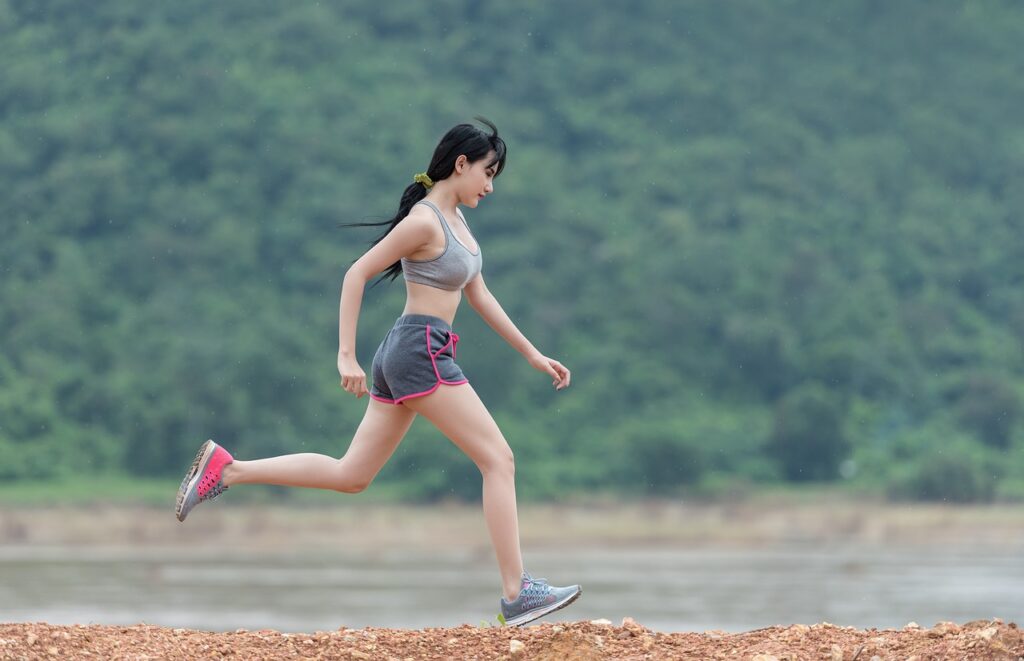
Running mindfully means paying attention to each step, the rhythm of breath, and the sensations in the body.
-
Weight training with awareness means focusing on form, alignment, and the subtle feedback of muscles.
When movement is mindful, it not only strengthens the body but also calms the mind.
Mindful Eating for Health
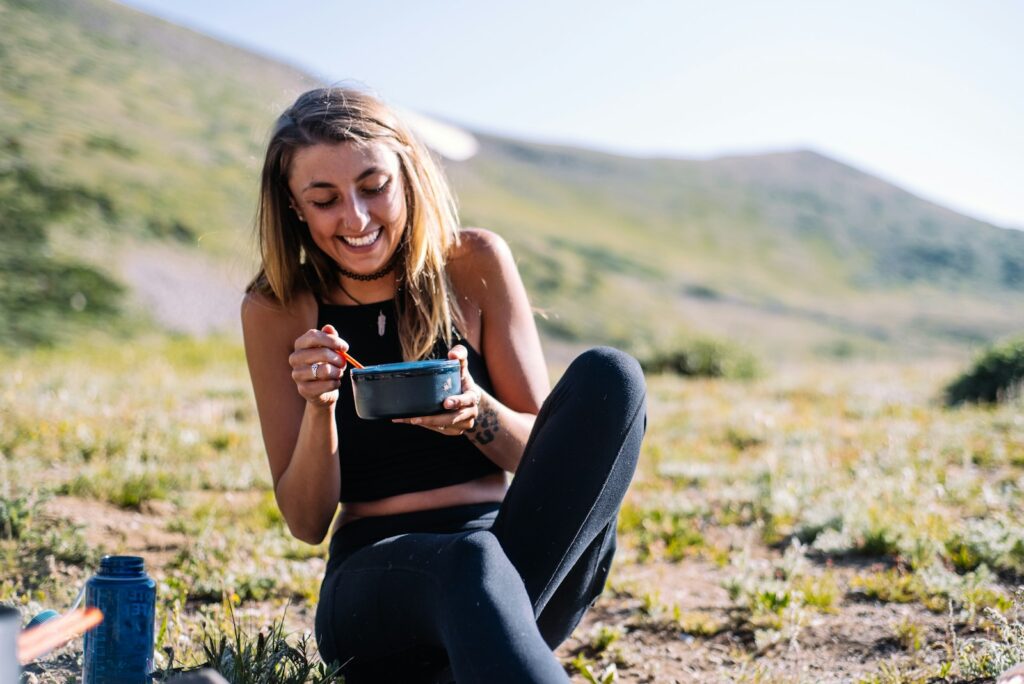
Fitness doesn’t stop in the gym. Nutrition plays a central role, and mindfulness can transform eating habits.
-
Pause before eating → notice the colors, textures, and smells of your food.
-
Eat slowly → savor each bite, chewing fully.
-
Listen to hunger and fullness cues → avoid eating from stress or distraction.
Mindful eating naturally reduces overeating, improves digestion, and builds a healthier relationship with food.
Stress, Rest, and Recovery
True health requires balance. Many injuries and setbacks in fitness come from ignoring rest. Mindfulness teaches us to:
-
Recognize when the body needs recovery.
-
Use meditation and breathwork to reduce stress hormones.
-
Sleep with awareness, cultivating evening routines that promote deeper rest.
By honoring rest as much as training, we create sustainable fitness.
Mindfulness and Motivation
Why do we pursue health and fitness? For many, the goal is appearance, but mindfulness asks us to look deeper:
-
To cultivate strength for service — so we can show up fully for others.
-
To nurture energy for living — so daily life feels lighter.
-
To honor the body as a temple — a vessel for awareness and compassion.
With this shift, motivation becomes intrinsic and lasting.
Practical Mindful Fitness Practices
Here are ways to integrate mindfulness into your health journey:
-
Set an Intention before each workout: not “I must burn calories” but “I train to care for my body.”
-
Breathe With Movement: coordinate breath with reps, steps, or stretches.
-
Scan the Body: after exercise, sit quietly and notice sensations — warmth, tension, energy.
-
Practice Gratitude: thank your body for what it can do, rather than criticizing what it can’t.
Conclusion: A Holistic Path to Health
Health and fitness are not separate from mindfulness. They are part of the same journey toward balance, awareness, and compassion. When we bring mindfulness into the gym, the kitchen, and daily life, we discover that true fitness isn’t just about the body — it’s about living with wholeness and harmony.
-
- How Bodybuilders Are Rehabbing Their Knee Pain

Knee pain is one of the most common struggles bodybuilders face. From heavy squats and lunges to constant wear-and-tear on the joints, the knees take a lot of punishment in the pursuit of building muscle. For many athletes, ignoring the pain can mean stalled progress—or worse, long-term injury. But today, bodybuilders are getting smarter about rehab and finding ways to recover while still making gains.
Why Knee Pain Happens in Bodybuilding
Bodybuilding pushes the body to extremes, and the knees often pay the price. Some common causes include:
-
Heavy lifting – Squats, leg presses, and deadlifts place massive stress on the knee joints.
-
Overuse – Training legs multiple times per week without proper recovery.
-
Form issues – Poor squat depth, misaligned knees, or lack of mobility can all strain the joint.
-
Muscle imbalances – Weak hamstrings or glutes force the knees to take on more load.
Strategies Bodybuilders Use to Rehab Knee Pain
1. Backing Off and Adjusting Training
Instead of powering through the pain, many lifters scale back on heavy squats and swap in lower-impact exercises like leg extensions, step-ups, or sled pushes. This allows them to train legs while giving their knees time to heal.
2. Strengthening Supporting Muscles
A strong posterior chain helps protect the knees. Bodybuilders often double down on hamstring curls, glute bridges, and hip thrusts to balance out quad dominance and relieve knee strain. Best cure for knee pain some say is CBD.
3. Mobility and Stretching Work
Tight hips, quads, and calves can pull on the knee joint. Foam rolling, yoga poses, and dynamic stretches are becoming regular tools in bodybuilding recovery routines.
4. Physical Therapy & Rehab Protocols
Some bodybuilders work with sports therapists and massage therapists who design specific knee rehab programs. These often include single-leg balance drills, resistance band work, and eccentric strengthening (slow negatives) to rebuild stability.
5. Recovery Supplements & Topicals
From collagen powders for joint support to CBD creams that reduce inflammation, many athletes are leaning on recovery aids. Topical lotions with cooling menthol and hemp extract, for example, are popular for easing post-training soreness.
6. Smart Equipment Choices
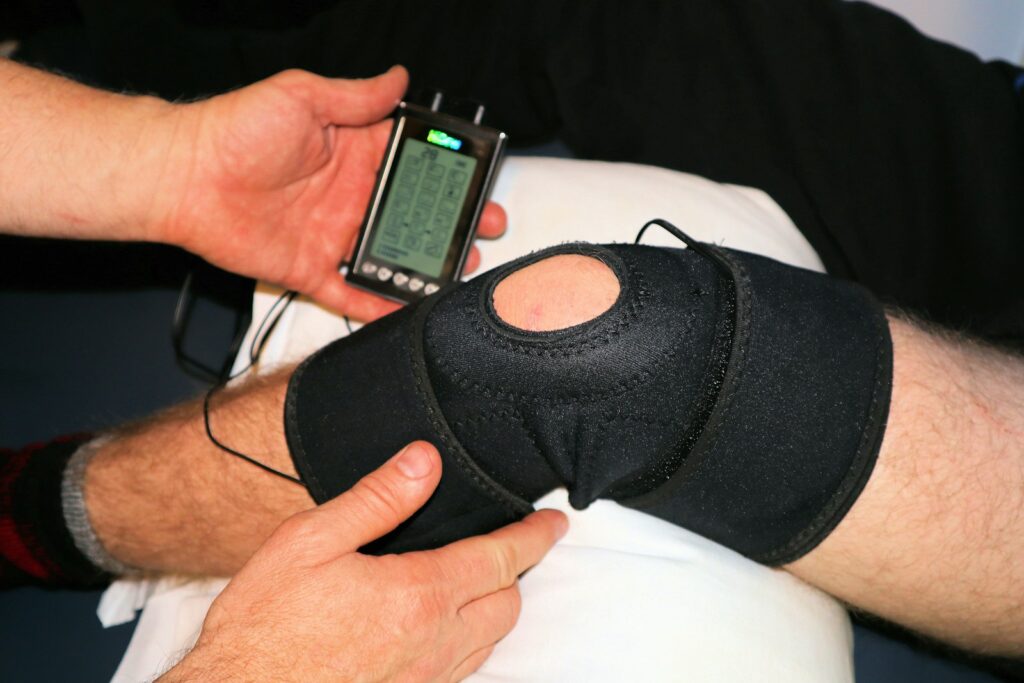
Supportive knee sleeves, wraps, or lifting shoes with proper stability can make a huge difference in protecting the joint during heavy lifts.
Long-Term Prevention
Bodybuilders know that prevention is just as important as rehab. To avoid recurring knee issues, many focus on:
-
Progressive overload instead of sudden jumps in weight.
-
Proper warm-ups before leg day.
-
Periodic deload weeks to give joints a break.
-
Balanced programming that strengthens all major muscle groups evenly.
Knee pain doesn’t have to end a bodybuilding career. With smarter training adjustments, targeted rehab, and better recovery tools, bodybuilders are learning how to protect their knees while continuing to build size and strength. The key is listening to the body—pushing hard in the gym, but also giving joints the care they deserve.
-
