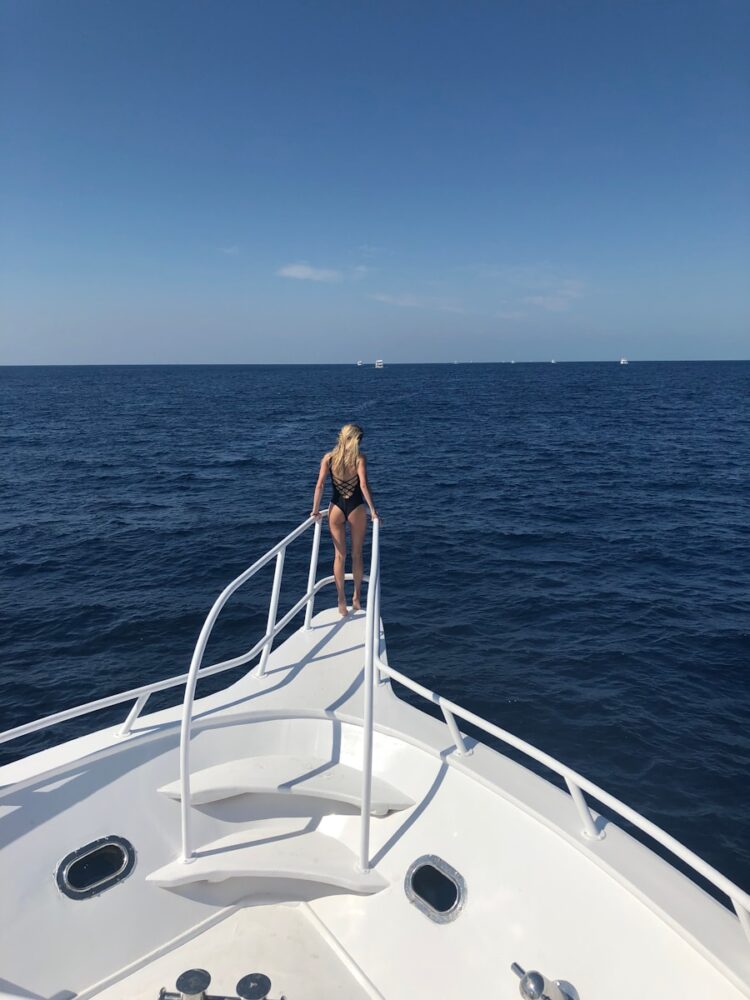
Working as a lifeguard on a private yacht might sound like a dream—sun-soaked days, turquoise waters, and a generous paycheck. But it’s more than just watching waves. To score this gig, you need strong fitness, specialized training, and a professional approach. Here’s how to turn that vision into a real job.
Why Yachts Need Lifeguards
Luxury yachts increasingly hire dedicated lifeguards to protect guests who swim, snorkel, or play with jet skis and water toys. Owners want a safety expert onboard who can:
-
Respond to emergencies fast
-
Oversee water activities
-
Teach or guide guests in safe swimming, diving, or snorkeling
-
Provide basic first aid and CPR if something goes wrong
Because these vessels often travel far from shore, a lifeguard’s presence can be the difference between a fun trip and a tragedy.
Physical Fitness: Your Key Selling Point
Yacht captains expect lifeguards to be in excellent shape—strong swimmers with endurance, agility, and stamina. Here’s what to focus on:
-
Swim Endurance: Train for long-distance swims and practice ocean rescue drills.
-
Core Strength & Mobility: Essential for pulling someone onto a dinghy or swim platform.
-
Cardio & Recovery: You may be on duty for hours, so consistent cardiovascular training is a must.
-
Daily Discipline: Think of your fitness as part of the job contract. Yoga, stretching, and injury prevention matter just as much as strength training.
Pro tip: keep a fitness log or digital portfolio. Captains and yacht agencies love documented proof of your conditioning.
Certifications That Make You Stand Out
Beyond basic lifeguard training, most yachts require or prefer these certifications:
-
STCW (Standards of Training, Certification and Watchkeeping): The international safety standard for all crew members.
-
CPR/AED & First Aid: Often required at a professional level.
-
Open Water Rescue or Surf Lifesaving: A plus for vessels cruising in rougher seas.
-
PADI or Dive Master: Not mandatory but a major advantage if guests scuba dive.
Update these credentials regularly—agencies and captains check expiration dates. How to get your first job.
Finding the Right Yacht Jobs
Start with reputable yacht-crew placement agencies and job boards such as:
-
Superyacht-specific sites (Yotspot, Crewseekers, Luxury Yacht Group)
-
Specialized maritime recruiters
-
Word of mouth from marinas and yacht shows
Prepare a clean, professional CV that highlights water-rescue skills, fitness training, and any hospitality experience.
Life Onboard: More Than Just Rescue
Being a yacht lifeguard isn’t just scanning the horizon. Expect to:
-
Assist with deck duties like lines, fenders, or guest setup
-
Help launch jet skis or kayaks
-
Brief guests on safety rules and equipment
-
Keep gear organized and maintained
The best crew members are team players who pitch in beyond their core role.
Final Word
If you love the ocean and thrive on staying fit, lifeguarding on a yacht blends adventure, responsibility, and travel in one career. Get the right certifications, train hard, and network in the yachting community. You’ll be ready when that dream job drops anchor.