
Running can put tremendous strain on your feet, leading to bunions. Conservative treatment options include rest and non-steroidal anti-inflammatory drugs (NSAIDs). You could also try using toe separators, pads or gels to ease pressure off of the big toe joint.
As soon as you detect signs of bunion formation, it’s crucial that you visit a podiatrist in New Hampshire immediately. Unfortunately, genetic predisposition cannot always prevent these painful bumps from developing into full-fledged bunion attacks.
Wear the Right Shoes
Bunions can make running shoes uncomfortable. To alleviate pressure and chafing, runners should opt for wide shoes with flexible styles that offer enough room for their toes and offer ample support. Bunion correctors may provide temporary relief; however, their effectiveness remains debatable among experts.
Consideration must also be given to the heel-to-toe drop when selecting shoes, since higher drops put additional stress on the foot. Narrow toe boxes and high heels may exacerbate bunion symptoms as well.
If the pain persists, try icing the big toe and wearing moleskin or gel pads to soothe any discomfort caused by chafing. Strengthen the intrinsic muscles of the foot through exercises like toe lifts and towel scrunches which strengthen intrinsic muscles while helping stabilize and reduce impact on bunion formation. Varying workout routines or cross training is another effective way of reducing repetitive stress on feet which could otherwise lead to bunions.
Change Your Socks
Bunions may develop if your foot is not supported or aligned properly. Running, for instance, often forces excessive pronation (inward rolling of the feet), which then places pressure on the big toe and pushes it out of alignment, leading to painful rub-rubbing or blisters against shoes and socks – something changing shoes or wearing appropriate socks could prevent.
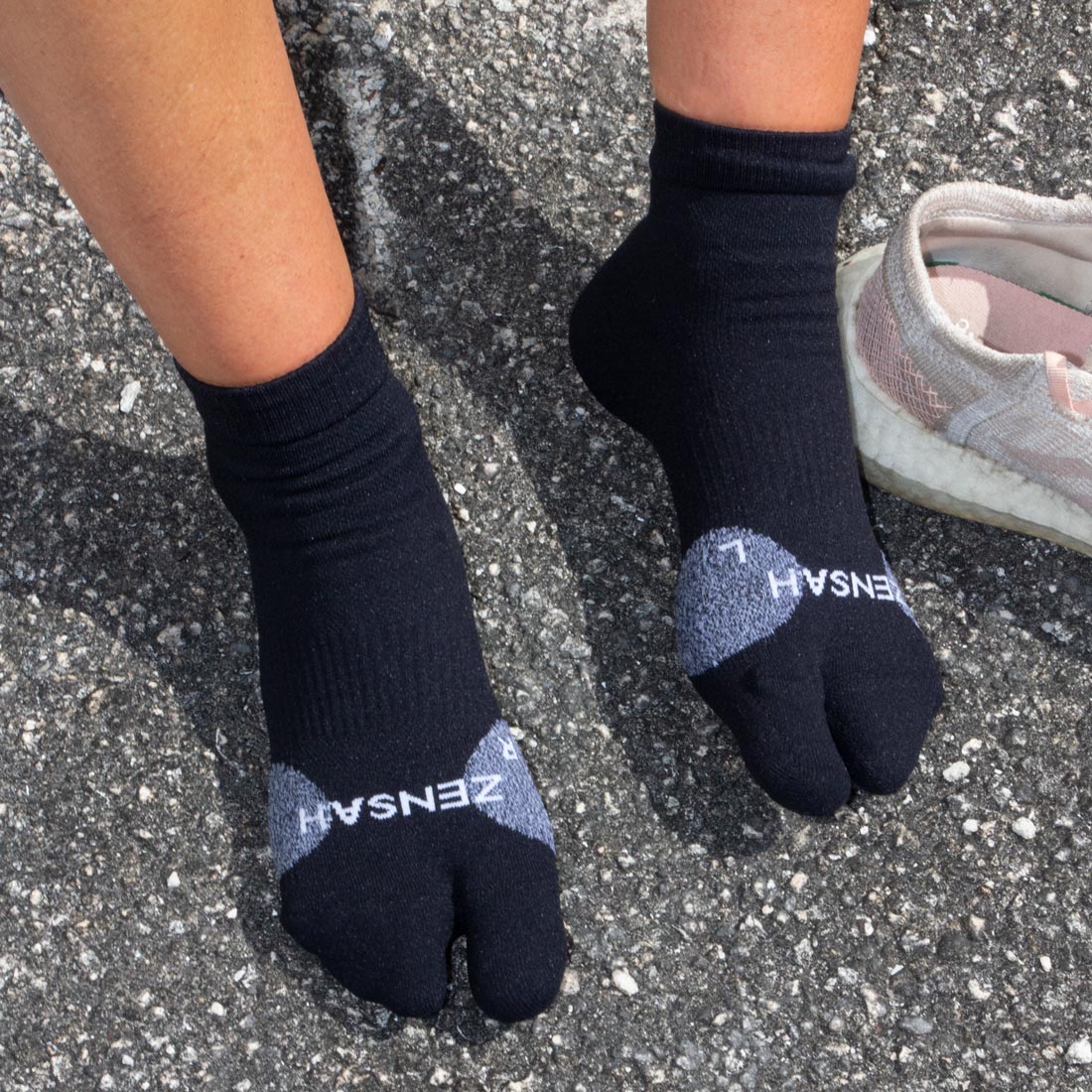
Traditional socks force toes closer together, leading them to overlap and irritate the bunion area. Modern toe socks were created specifically to address this problem by separating and allowing toes to spread naturally over time; this helps relieve pain while reducing irritation and blisters.
Though bunion pain may be unpleasant, it doesn’t have to impede your workouts or fitness goals. Simple solutions like icing, padding and switching shoes with wider widths may all be effective ways of alleviating your symptoms and lessen their impact on running or fitness goals. If the discomfort is hindering participation in your favorite activities then consult a podiatrist about more permanent solutions.
Ice It
Bunions can make running extremely uncomfortable when they become inflamed, leading to pain and swelling that worsen with each stride. Pads, gels, wraps and shoes with extra cushioning may make an effective difference while icing your foot can also help reduce inflammation and soreness; soak soaking with Epsom salt can also provide temporary relief from discomfort.
Your doctor can examine and X-ray your feet to diagnose a bunion and recommend the most suitable course of treatment. Nonsurgical remedies for bunion include wearing shoes with wide toe boxes and padding or bunion pads to keep the big toe from rubbing against it, taking over-the-counter NSAIDs like acetaminophen, ibuprofen and naproxen sodium to reduce pain; icing for 10-15 minutes at a time as well as foot exercises and stretches; medicated taping and orthotic inserts may also help. If these nonsurgical options don’t relieve your pain sufficiently, surgery might be recommended; HyProCure provides minimally invasive surgery which reduces bunions while realigning joints in feet for realigning them as well.
Massage It
Implementing effective foot massage techniques can significantly help alleviate bunions and their related discomfort. Before any massage session begins, it is vital that feet be soaked in warm water, using lotion or oil on them for extra lubrication to avoid friction. In terms of massage pressure or intensity levels, always respect any verbal cues from clients during massages.
Attentiveness to self-myofascial release is also crucial, and regularly engaging in this practice can reduce inflammation, increase circulation, alleviate pain and enable the bunion to heal more rapidly.
Follow simple self-care techniques such as changing footwear and wearing custom orthotics in combination with performing special exercises to manage bunions for many runners. In severe cases, however, bunion pain could indicate more serious foot conditions that require consulting with a podiatrist for assessment and potential surgery.