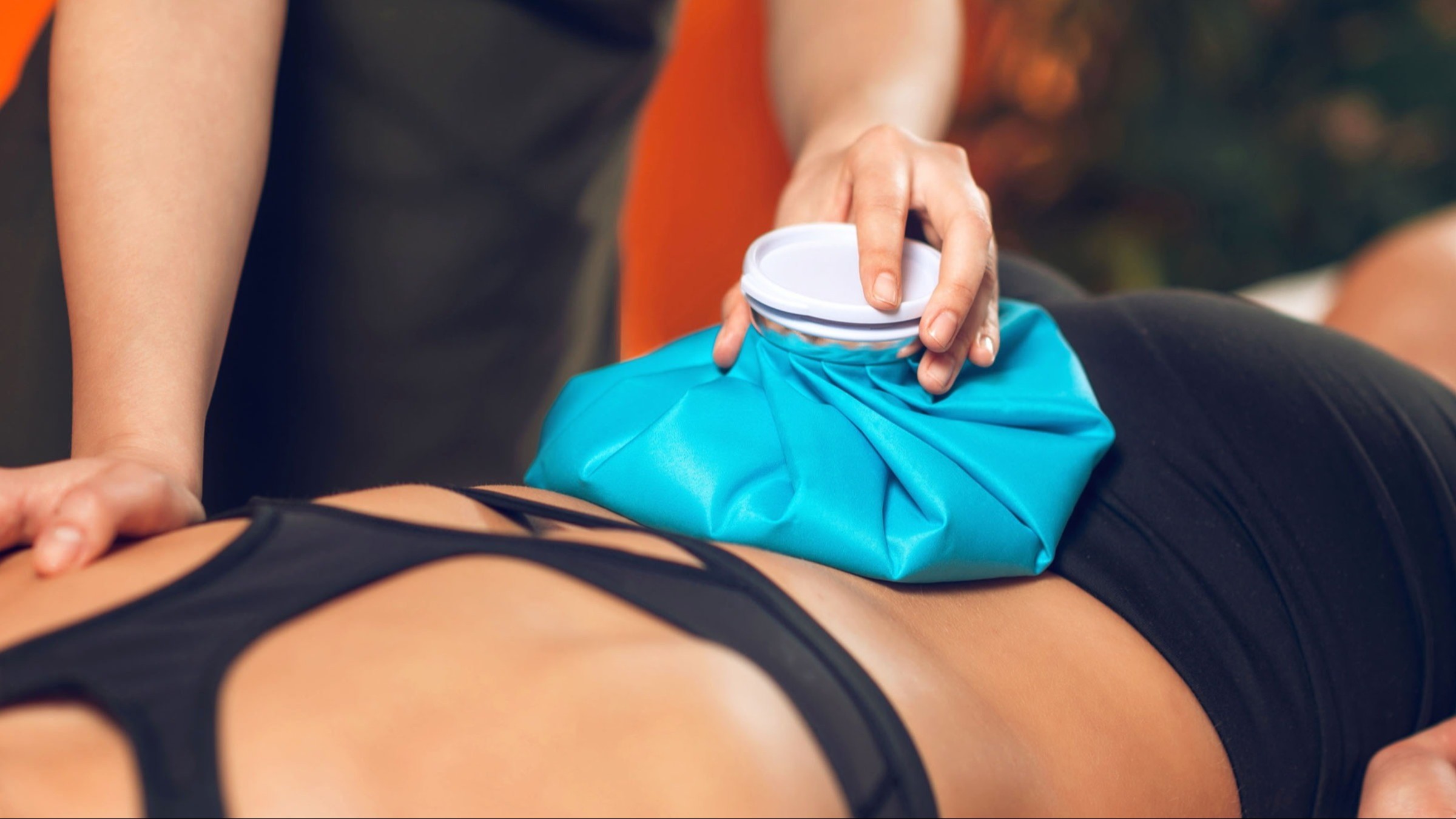

If your knee is experiencing pain or stiffness, ice can provide a convenient remedy. Simply wrap a plastic bag full of crushed ice in a towel for 20 minutes three or four times daily to use this remedy.
Ice therapy helps narrow your blood vessels (a process known as vasoconstriction) to decrease swelling and pain. Take an over-the-counter pain reliever, such as ibuprofen or naproxen as directed on its label for additional relief.
Ice
If your knees are hurting, try treating them with ice and possibly some heat after the swelling has gone down. It’s an effective and simple treatment used by millions worldwide – some even dating back centuries!
Use an ice bag or cold pack, ensuring the ice does not come into direct contact with your skin. Apply the ice for 20 minutes at a time several times throughout the day for at least three times.
Ice therapy works to constrict blood vessels and decrease swelling in your knees, as well as provide some painkilling effects by numbing the area. Once pain and swelling have subsided, use warm temperature treatments such as a hot bath or hot water bottle on them to increase soft tissue elasticity (making your knee more flexible) and enhance mobility.
Heat
Heat can help increase blood flow to an injured knee, providing more oxygen and nutrients that promote healing and alleviating any associated pain. Heat therapy also loosens tight muscles and tendons around it and offers temporary pain relief.
Cold temperatures work to compress blood vessels and slow the inflow of fluids into tissues, thus decreasing swelling and inflammation. Ice should be applied immediately following any injury or re-injury and for at least 24 hours post injury/re-injury.
Once your ice therapy session is over, it may be beneficial to switch up with heat therapy. This could involve anything from using a heating pad, taking a hot bath, or placing a heating bag on your knee – just make sure not to exceed 20 minutes per time so as to not burn your skin. If it becomes sensitive at any point during treatment simply remove and try using again in a few hours’ time.
Compression
Attributed to athletes is sore muscles and joints after intense workouts; if these soreness continue or worsen, however, medical intervention may be required. Patellofemoral pain syndrome or “runner’s knee” refers to any pain experienced near the joint between your femur (thigh bone), tibia (shin bone) and patella (knee cap).
Conditions that cause knee joint discomfort often involve issues like the wearing down of cartilage lining the joint; tendon or ligament tears in this area; or inflammation of fluid-filled bursae that act as lubricants to aid with movement in this region. Such ailments are commonly observed among runners and other athletes who put excessive strain on this knee joint.
Treatment includes rest, applying ice several times each day and elevating your leg when lying or sitting. Nonsteroidal anti-inflammatory medications like ibuprofen or naproxen may reduce pain and swelling; Acetaminophen, found in Tylenol products is another possibility. Your physician may suggest physical therapy exercises designed to strengthen quadriceps muscles and hip abductor muscles for added knee stability and to help prevent further injuries.
Stimulation
Electrical stimulation, commonly referred to as e-stim or NMES (neuromuscular electrical stimulation), is a treatment using pulses of electricity to relieve knee pain and stiffness. By increasing blood flow to the affected areas, e-stim can help decrease swelling while also alleviating pain.
Electric pulses may also prevent pain signals from reaching the brain and spinal cord by either blocking them, altering them, or stimulating production and release of natural painkillers called endorphins.
Have you seen those devices that resemble laptops with sticky pads attached that you can buy at stores as home versions of physical therapist equipment? However, medical-grade devices are much more powerful.
One study compared multiple sessions of combined muscle stimulation and exercise over four weeks to exercise alone and found very low-quality evidence that muscle stimulation reduced knee pain more than exercise alone; however, that study was small and had its own set of flaws; its findings may not necessarily apply to others.